

服部米蔵の田植えが一段落し、妙高の里山はほっとひと息ついたような静けさに包まれています。
とはいえ、米づくりはここからが本番。
苗がしっかり根づいた後は、雑草との闘いと、用水の管理が欠かせません。
晴れた日には田んぼに出て、手足で草を取り、水の流れを確認しながら、こまめな見回りを続けています。
6月は大型連休もなく、妙高全体がどこか落ち着いた空気に包まれる季節。
暑すぎず、寒すぎず、ちょうどよい気候の中で、里山には花が咲き、鳥たちが元気にさえずる音が響きます。
自然の中で過ごすには、実はとても過ごしやすい、穏やかな季節です。
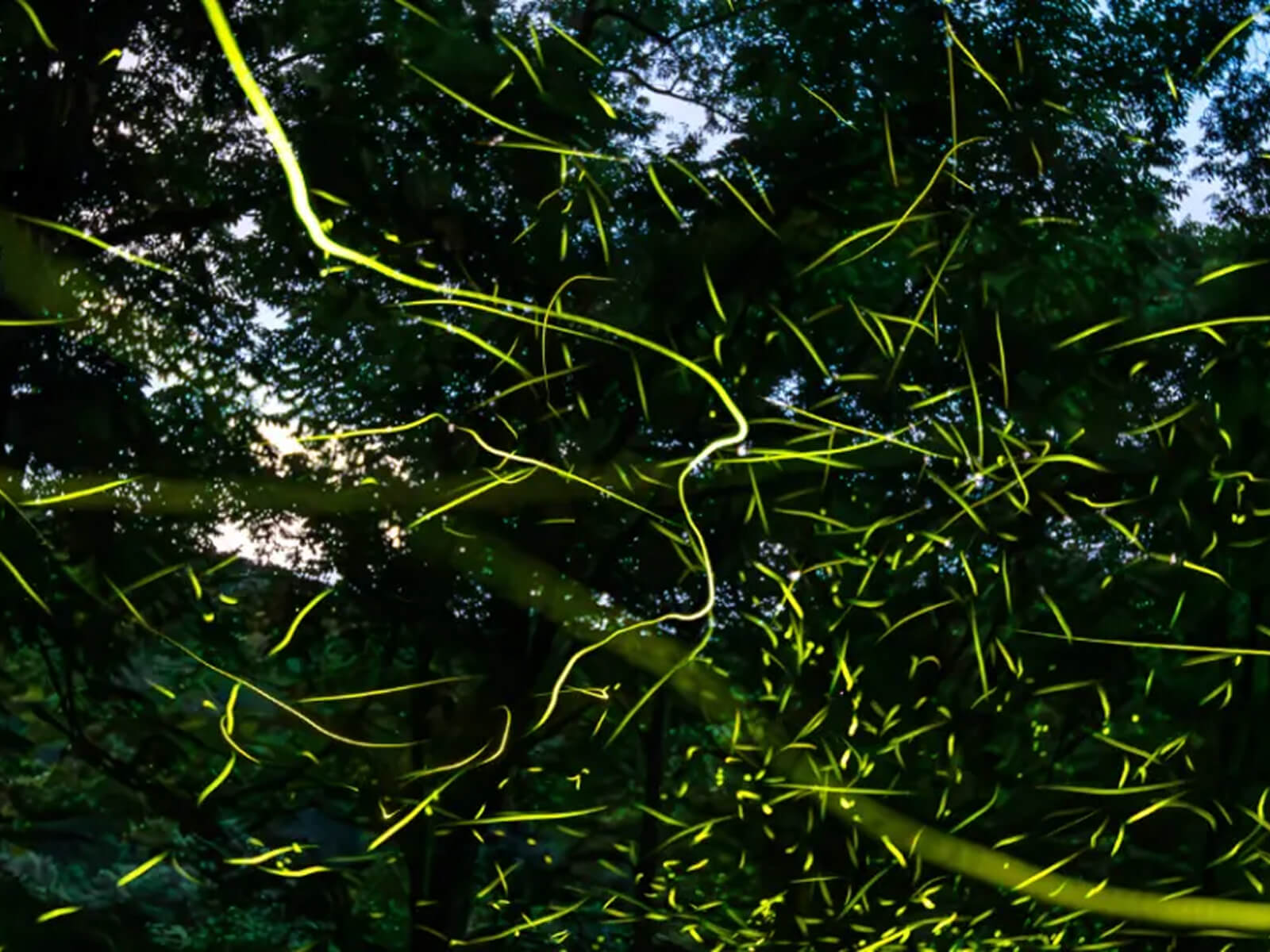
幻想的なひととき──ホタルの季節が到来
6月下旬から7月上旬にかけて、妙高の里山にはホタルの季節がやってきます。
昨年は、MAHORA西野谷の裏庭でもゲンジボタルの飛ぶ姿が確認されました。
運がよければ、宿の縁側までふわりと舞ってくることもあります。
さらに、車で5分ほどの場所には、地元の人しか知らない静かなホタル観賞スポットも。
この時期に妙高を訪れる方だけが出会える、特別な夜の風景です。
ホタルが好むのは、街灯の届かない静かで清らかな水辺。
水底が深すぎず、砂やレキ(粒の大きい砂利)があり、餌となるカワニナ(巻貝)が棲んでいる穏やかな流れが必要です。
産卵には水苔、さなぎになるには柔らかな土と草が必要で、自然環境にとても敏感な生きものです。
ホタルの命は約1年。その大半を水中の幼虫期として過ごし、約10ヶ月もの間、カワニナなどを食べながら静かに育ちます。
地上に上がってからは、土の中で40〜50日間さなぎになり、ようやく成虫へ。
しかし、羽化したあとの命はわずか10日前後。
成虫は水しか飲めず、産卵を終えると2〜3日でその生涯を終えます。
私たちが目にするホタルの乱舞は、たった数日間の“命の輝き”。
短い時間の中で必死にパートナーを探し、精一杯光りながら生きるその姿には、言葉を超えた感動があります。
ホタル観賞を楽しむために
MAHORA西野谷では、ホタル観賞にぴったりな静かな夜が訪れています。
心地よく、自然と向き合える時間を過ごすために、以下のような準備をおすすめします。
-
服装:長袖・長ズボンに帽子や手袋で、肌の露出を少なく。虫よけ対策にも。
-
虫よけ:使用は最小限に。自然由来のハッカ水スプレーなどが安心です。
-
懐中電灯:足元だけを照らすよう、光が弱いライトを使用しましょう。
-
撮影:フラッシュは厳禁。スマホ画面も暗めの設定にしておきましょう。
-
ホタルを捕まえない:とても繊細な生き物です。とまってきたら、そっと自然に返してあげてください。
昔、地元のお父さんたちは、子どもの頃にホタルを捕まえて蚊帳に入れ、光を楽しんだそうです。
今では、そっと静かに見守ることこそ、現代のホタル観賞の楽しみ方かもしれません。
この初夏、静かな一夜を──MAHORA西野谷へ
6月の妙高は、観光地としては比較的静かで、人混みを避けて過ごせるベストシーズン。
MAHORA西野谷では、ホタル観賞にあわせた【初夏のバケーションプラン】もご用意しています。
虫の音、川のせせらぎ、そしてホタルの柔らかな光に包まれながら、
ほんのひととき、「暗闇の美しさ」を感じる夜を過ごしてみませんか?
【Myoko Satoyama Letter – Bōshu Edition】
A Quiet Moment After Rice Planting, and the Arrival of Firefly Season
With rice planting completed, the satoyama landscape of Myoko enters a brief period of calm.
But this doesn’t mean the hard work is over—rice cultivation now shifts to weed control and water management, both essential to ensuring a healthy crop.
On clear days, we walk through the rice paddies by hand and foot, pulling grass and checking irrigation channels one by one.
June in Japan is a relatively quiet time, with no major holidays.
The weather is mild—not too hot, not too cold—and flowers bloom while birds sing energetically around us.
It’s a season of subtle richness, where the beauty lies in the everyday scenes of rural life.
A Magical Season of Fireflies
From late June through early July, the satoyama region of Myoko enters firefly season.
Last year, Genji-botaru (Genji fireflies) were seen in the backyard of MAHORA Nishinoya, and if you’re lucky, you might spot them gently drifting all the way to the veranda of the inn.
Just five minutes by car from our inn, we’ve also found a small hidden spot known only to locals—perfect for quiet firefly viewing.
Fireflies prefer dark, clean, and calm streams, far from artificial lights.
They thrive in shallow riverbeds with sandy or gravelly bottoms, where they can feed on freshwater snails like kawanina.
To reproduce, they require water moss for egg-laying, and moist soil with grass for pupating.
A firefly’s life lasts about a year, but most of it is spent as a larva in the water, quietly feeding for nearly ten months.
Once it climbs onto land, it pupates underground for 40 to 50 days—without eating.
After emerging as an adult, it lives for only around 10 days.
During this short time, it drinks only water, lays its eggs, and within a few days, it completes its brief yet radiant life.
The glowing display we witness is a desperate and beautiful dance to find a mate.
Their ephemeral brilliance lasts just a few evenings—and it is that fleeting beauty that captures our hearts in silence.
Tips for Enjoying Firefly Viewing in Myoko
At MAHORA Nishinoya, the early summer nights are perfect for experiencing fireflies in a traditional countryside setting.
Here are a few tips to ensure a respectful and memorable viewing experience:
-
Clothing: Long sleeves, long pants, a hat and gloves to minimize exposed skin. Comfortable shoes are essential.
-
Insect repellent: Use sparingly, especially near the face. Natural sprays like peppermint water are recommended.
-
Flashlights: Use low-light lamps aimed only at the ground to avoid startling the fireflies.
-
Photography: No flash. Lower your phone’s screen brightness and avoid shining light toward the insects.
-
Do not touch or catch them: Fireflies are delicate. If one lands on you, gently let it return to nature.
Locals sometimes share stories from their childhood—how they would catch fireflies and place them in paper envelopes, watching them glow in the dark.
There’s a nostalgic charm in these memories.
But today, we believe that the most beautiful way to enjoy fireflies is to simply watch quietly and let them shine.
Spend a Peaceful Night in the Myoko Countryside
In June, Myoko is free from the usual tourist crowds, making it an ideal time for a quiet, rural getaway.
At MAHORA Nishinoya, we offer a “Early Summer Vacation Plan” that includes opportunities for firefly viewing.
Let the sound of insects, the murmur of the stream, and the glow of fireflies wrap around you.
This early summer, why not rediscover the quiet darkness of nature?
#MAHORA西野谷 #妙高 #古民家宿 #一棟貸し宿 #里山暮らし #ホタル観賞 #初夏の妙高 #芒種 #二十四節気 #農ある暮らし #日本の原風景 #自然と暮らす #季節の便り
#SatoyamaLife #MyokoJapan #FireflyViewing #KominkaStay #CountrysideRetreat #JapanCountryside #EcoStayJapan #RuralJapan #NatureLover #SlowTravelJapan #HiddenJapan #RiceFieldViews #FirefliesInJapan #SummerInJapan #VacationInNature #SustainableStay #MYOKO