雪囲いの時期がやってきた
今年の春に植えた桜や紅葉の木々。
立派に育つまでには三年ほどかかるそうで、この冬を無事に越せるよう、職人さんにお願いして雪囲いの準備をしました。
妙高山や火打山の山頂では、すでに初雪が見られます。
麓では紅葉が見ごろを迎え、まるで「秋と冬のコントラスト」を楽しむ季節です。
車もそろそろ冬タイヤに替える頃。
子どもたちは「早く雪が降らないかな」と、スキーができる日を心待ちにしています。
春のことを思い出します。
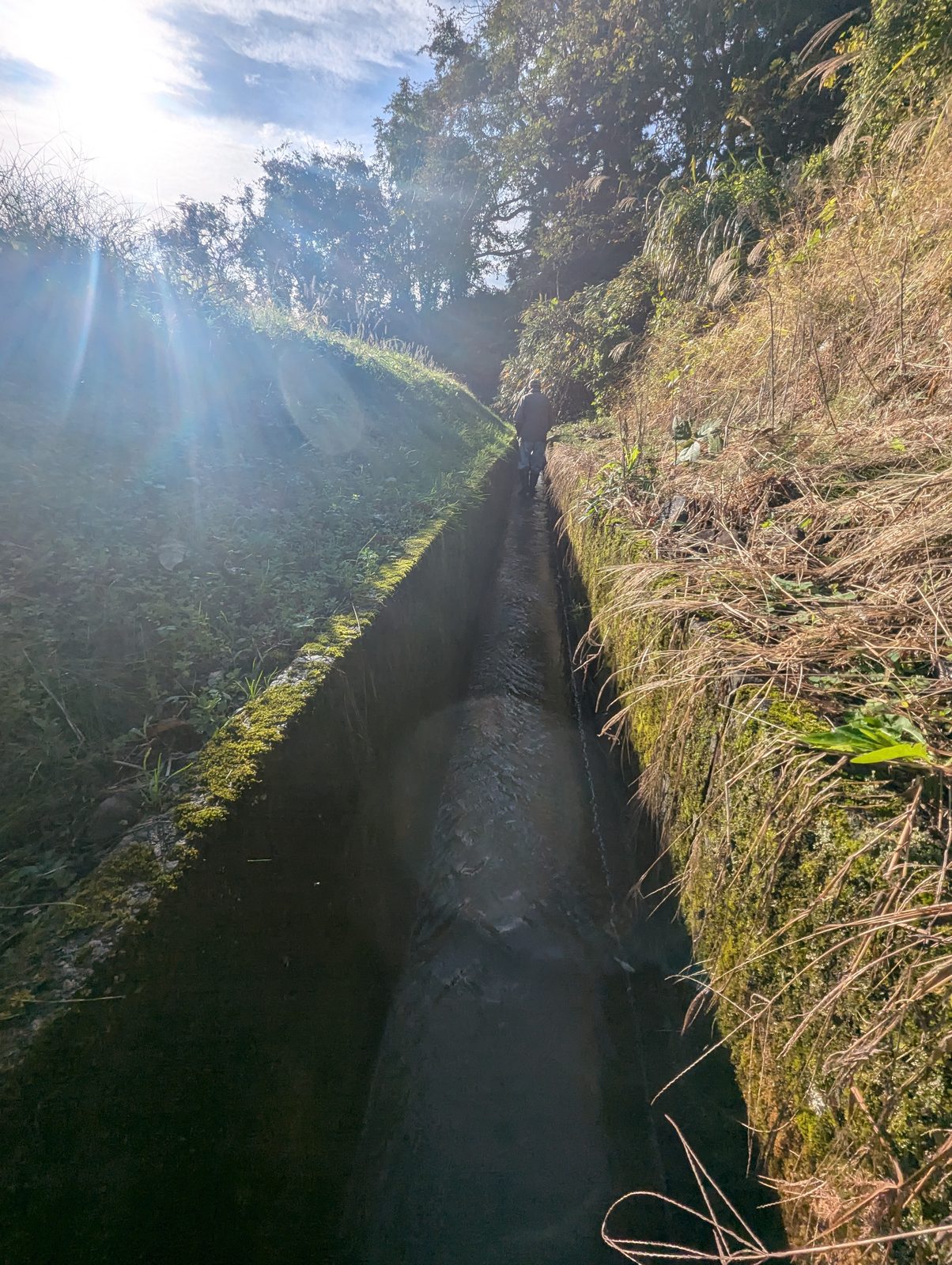
みんなで農業用水路を掃除して、山の雪解け水が田んぼへ流れるように整えました。
そして秋のこの時期は、冬を迎えるための清掃。
雪の重みで枝が折れて水路をふさがないよう、水辺の木々を剪定します。
この地域では「水」はまさに命の源。
だからこそ、みんなで守り、受け継いでいきます。
そして、今年も話題はやっぱり熊。
先週、西野谷の裏山で罠にかかった熊が見つかり、猟師に仕留められました。
地元のおじいちゃんは「熊は賢い。食べもののあった場所は覚えていて、また戻ってくる」と言います。
熊の大好物は柿。
知人の家では、数年前に熊が柿を食べに来たため、今年は思い切って木を切ったそうです。
「昔は熊なんてほとんどいなかったよ。タヌキやキツネばかりだったなぁ」とおじいちゃん。
「タヌキは銀杏が好きで、皮だけ食べて中身は消化できない。
フンと一緒に出すんだ。だから地面に銀杏が山になってたら拾っちゃだめだよ、タヌキの“作品”だからね」と笑います。
話は蛇にも広がり、
「蛇は神様の使いだから、見たら幸運のしるしだ」と言いながら、
いざ本物が出てくると全員で逃げ出すおじいちゃんたち。
やっぱり怖いものは怖いようです。
年に一度の用水掃除は、私にとって小さな里山の旅。
水の流れをたどりながら、自然の仕組みや昔話に触れる貴重な時間です。
今年はムツゴロウのような小魚やイモリにも出会いました。
静かな山里に、少しずつ冬の気配が近づいています。
The Season for Snow Protection Has Arrived
The cherry and maple trees we planted this spring are still young.
It’s said that it takes about three years for them to grow strong,
so we asked a local craftsman to help prepare snow protection to keep them safe through the winter.
At the peaks of Mount Myoko and Mount Hiuchi, the first snow has already fallen.
Down below, the autumn leaves are at their best —
a season where we can enjoy the beautiful contrast between autumn and winter.
It’s also time to switch to winter tires,
and the children keep saying, “I hope it snows soon!”
They can’t wait to ski again.
It reminds me of spring,
when everyone gathered to clean the irrigation channels
so that the melting snow from the mountains could flow smoothly into the rice fields.
Now, in autumn, we clean them once more to prepare for winter —
trimming branches along the waterways so that heavy snow won’t break them
and block the flow.
Here, water is truly the source of life.
That’s why we all work together to protect it and pass it on to the next generation.
And once again this year, the talk of the village is about bears.
Last week, a bear was caught in a trap on the hill behind Nishinoya
and was later taken by a hunter.
One of the village elders said,
“Bears are clever. They remember where they found food and will come back again.”
Their favorite treat is persimmons.
A friend of ours had a bear come for persimmons a few years ago,
so this year they decided to cut down the tree altogether.
“In the old days, there were hardly any bears,” the old man continued.
“We used to see tanuki (raccoon dogs) and foxes instead.”
Then he laughed,
“Tanuki love ginkgo nuts. They eat only the skin and can’t digest the inside,
so they pass it out with their droppings.
If you ever see a pile of ginkgo nuts on the ground, don’t pick them up —
they’re the tanuki’s artwork!”
The conversation turned to snakes next.
“Snakes are messengers of the gods,” said one of the elders.
“Seeing one is a sign of good luck.”
But when a real snake appeared,
everyone screamed and ran away.
Even the bravest elders have things they fear.
The annual irrigation cleaning feels like a small journey through the satoyama.
Following the flow of water,
learning how nature works,
and hearing the elders’ old stories —
it’s a precious time for me every year.
This time, I even spotted tiny fish like mudskippers
and a little newt resting in the clear stream.
In this quiet mountain village,
the signs of winter are gently drawing near.